One of our friends here works with a NGO working with local schools. She is out of the country for a few months and asked us to take her place for that time. We don’t really do any decision making, just making sure her group has a continued presence while she is away. Part of our work is with a local, 6 school art contest for 6th graders.
We are helping organize it. Getting prizes together, supplies for the big competition next week. We been to a few schools and meetings. It’s an interesting experience seeing how things get done. Especially how important principals are here. You can see the difference were some principals have higher standards than others.
The competition is judged by the art work and a short presentation. Annika and I, along with a representative from each school and a few others, will be judging.

Here are a few photos of some of the local school winners who will compete in the big contest next week.


The first 6 winners were all girls.


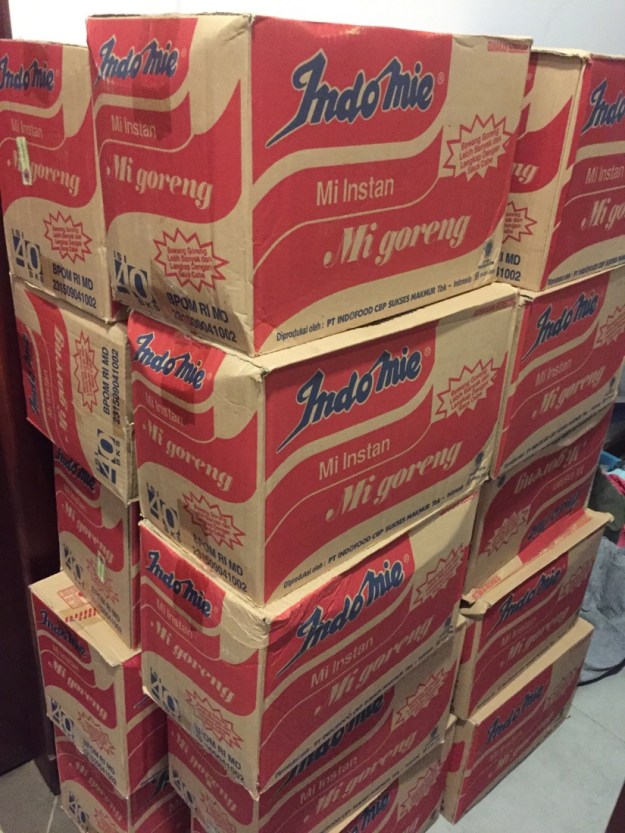
Some of the supplies we have shopped for. You get a lot of looks going through the store with 2 carts of noodles
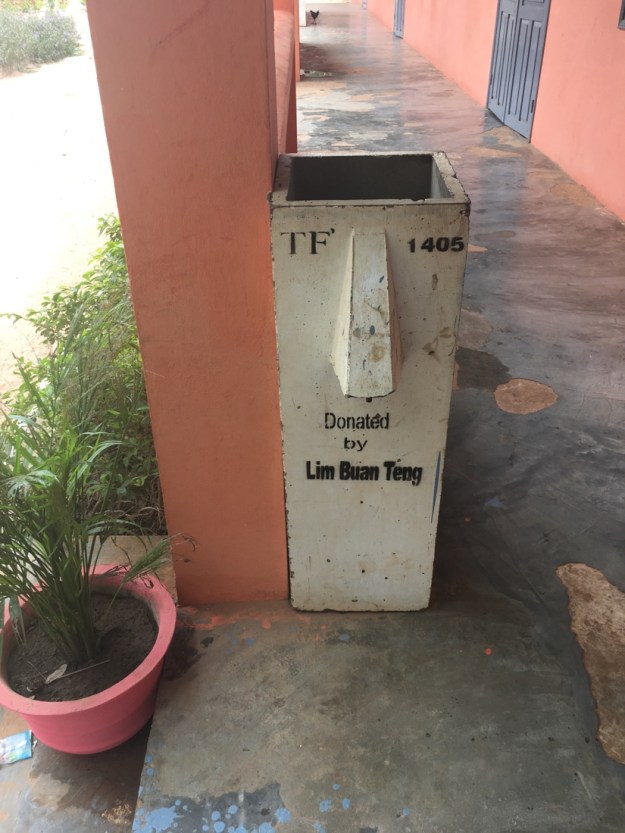
A bio-sand water filter on the grounds of one of the schools. Sadly, no longer in use. I see this a lot here, and it’s a big problem. Wells don’t get the maintenance or small repairs they need. I have seen more no-longer-working wells/filters than working ones. Maintenance is just as important as the initial installation.
I saw a man in Africa once put a lock on a well so it couldn’t be used because the village of about 100+ people wouldn’t pay a $6 maintenance fee. I’m guessing the well cost the village from $500-1000, which was about 10% of the total cost (all values are estimates). But he understood the value of ownership. His teams number 1 job was inspection and maintenance. Free wells get neglected. Wells that cost get protected, cleaned, fenced in so animals can’ break them.
 Cambodia Stuff